
Torre de la Sal Residents’ Association

We defend our neighbours’ rights and preserve our heritage for future generations.

HELP US: SIGN THE PETITION
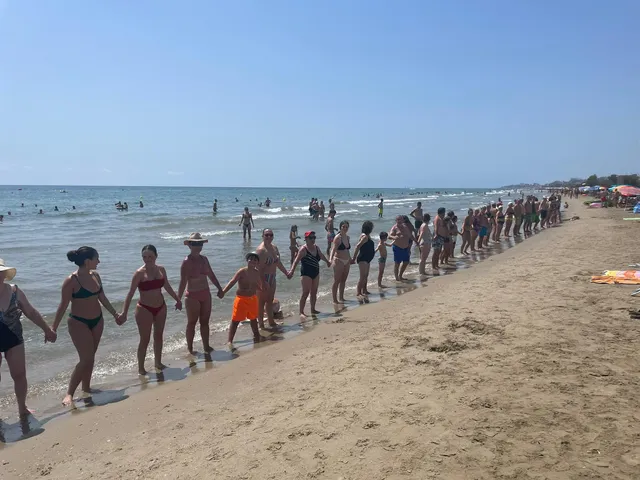
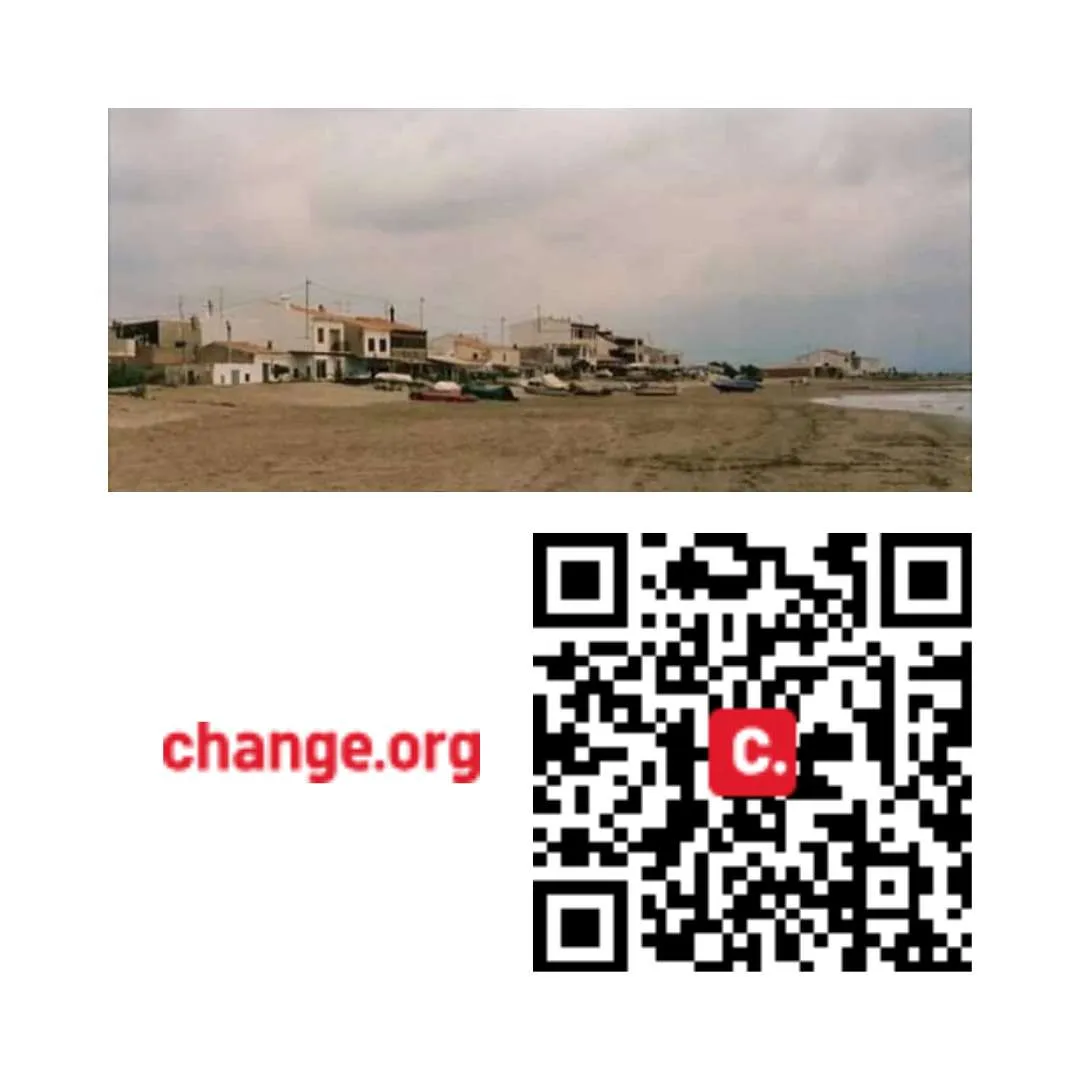
View of the seaside village of Torre la Sal and QR code of the petition on Change.org

Help us save Torre de la Sal: sign the petition

The families of Torre la Sal, who have lived in this coastal area for years, risk losing their homes through the enforcement of the Ley de Costas by the Spanish Ministry for the Ecological Transition. Your signature helps defend our heritage and our homes.

SIGN THE PETITION

Petition on Change.org. You can also scan the QR code.

Video by @SaveTorre on X: #torrelasaleslegal, 189 Gracias

Post by @SaveTorre of 10 June 2025 (in Spanish).

Torre la Sal: the residents’ association of the seaside village

The Asociación de Vecinos de Torre la Sal brings together the owners and residents of the seaside village of Torre de la Sal, in Cabanes (Castellón, Spain), to defend their rights and preserve their cultural and historic heritage against the Ley de Costas, the Spanish Coastal Act.

On this website you can follow the association’s initiatives, consult the resources on the Ley de Costas and contact us. Torre la Sal and Torre de la Sal are the same place: a century-old fishing village that we all defend together.

What is the Ley de Costas?

The Ley de Costas (Spanish Coastal Act) is Act 22/1988 of 28 July, which governs in Spain the delimitation, protection, use and policing of the maritime-terrestrial public domain and, in particular, of the seashore. It was amended by Act 2/2013 of 29 May on the protection and sustainable use of the coast.

Act
Ley 22/1988, de 28 de julio, de Costas (Official State Gazette, BOE no. 181 of 29 July 1988).
Amendment
Ley 2/2013, de 29 de mayo, de protección y uso sostenible del litoral.
Scope
The maritime-terrestrial public domain, in particular the seashore, and the easements over adjoining land.
Protection easement
A 100-metre zone measured inland from the inner limit of the seashore, extendable by a further 100 metres (article 23); 20 metres on land already classified as urban when the Act came into force (third transitional provision).
Right-of-way easement
A 6-metre strip measured inland from the inner limit of the seashore, extendable to 20 metres where passage is difficult or dangerous (article 27).
Sea access easement
Free public access to the sea across adjoining land (article 28).

In Torre la Sal: the enforcement of the Ley de Costas through a repossession procedure (recuperación posesoria) threatens the houses of the seaside village of Torre de la Sal. The association defends the owners’ rights and the village’s heritage.

Sources: consolidated text of Act 22/1988 in the BOE and frequently asked questions of the Spanish Ministry for the Ecological Transition. Information reviewed on ; the consolidated BOE text has no legal force; refer to the official text.

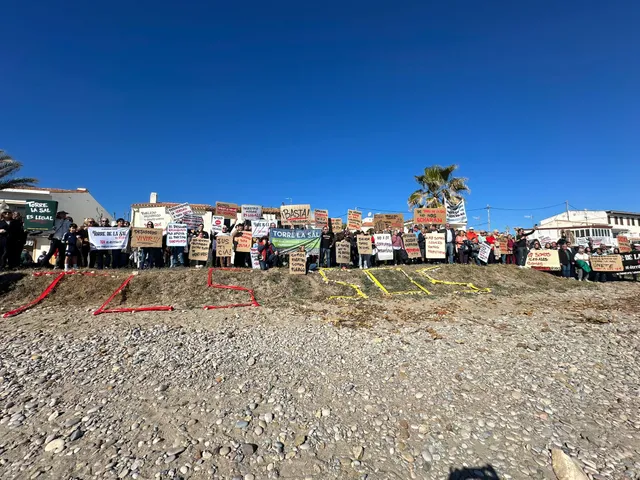
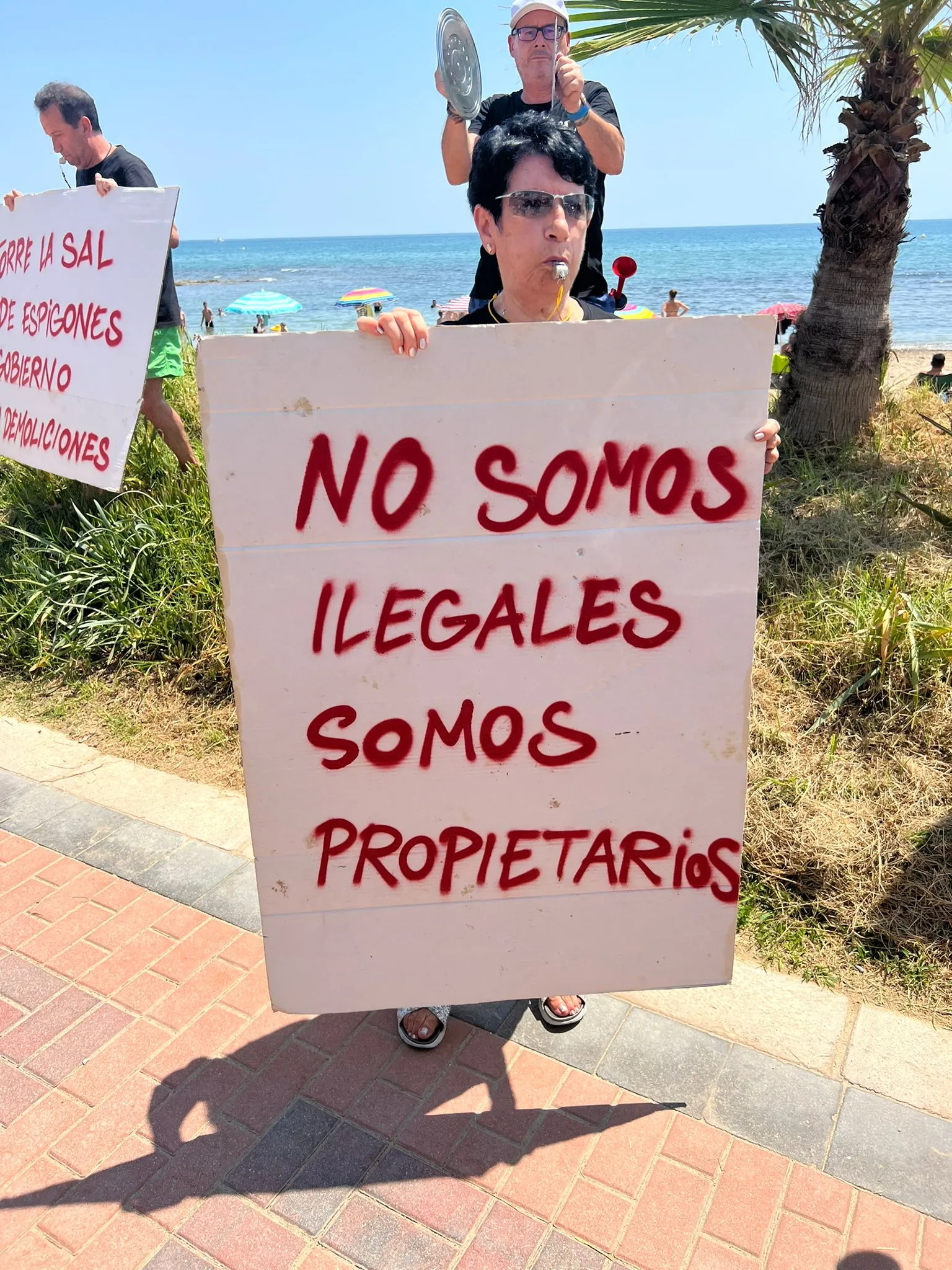
Resident of Torre la Sal holding a protest sign by the beach

We defend your rights

At the Torre la Sal Residents’ Association we work tirelessly to protect our neighbours’ rights before the authorities and to ensure that our traditions and cultural heritage are respected. We are here to support you in defending your home and your community.

JOIN US

We preserve our heritage

Our community is full of history and natural beauty. We are devoted to preserving the seaside village of Torre la Sal, promoting initiatives that guarantee the conservation of our environment and the cultural wealth that defines us. Every action counts to safeguard our legacy.

JOIN US
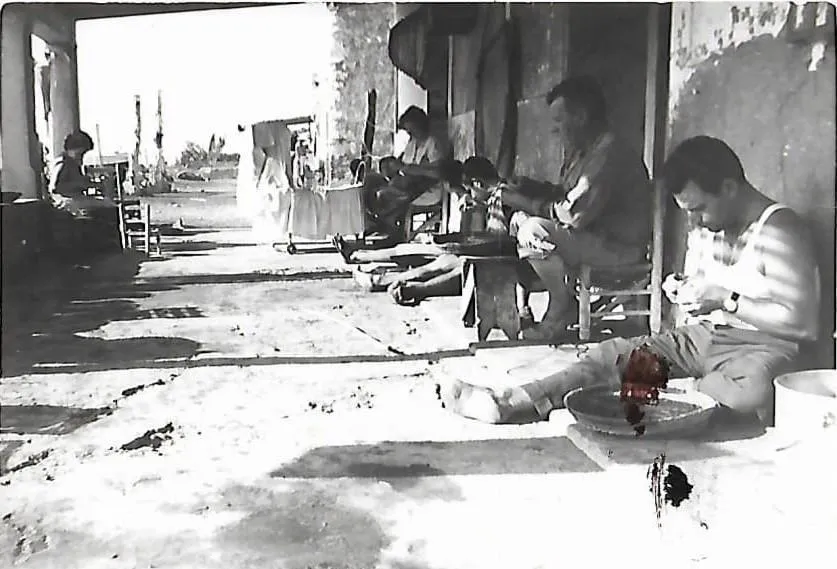
Historic black-and-white photograph of the seaside village of Torre la Sal
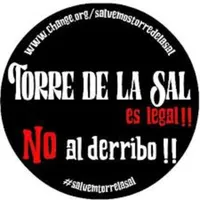
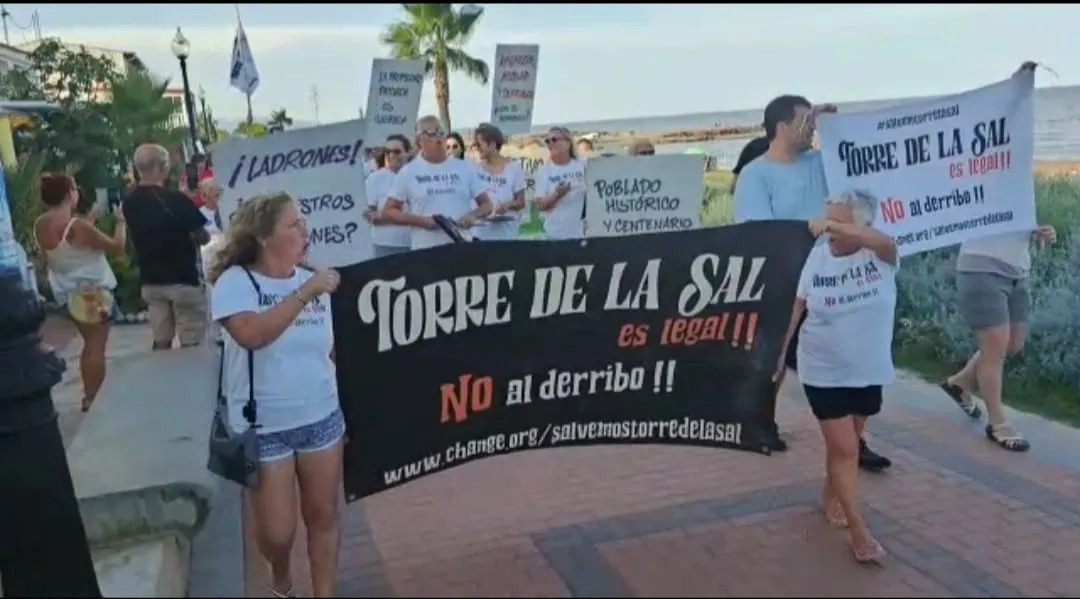
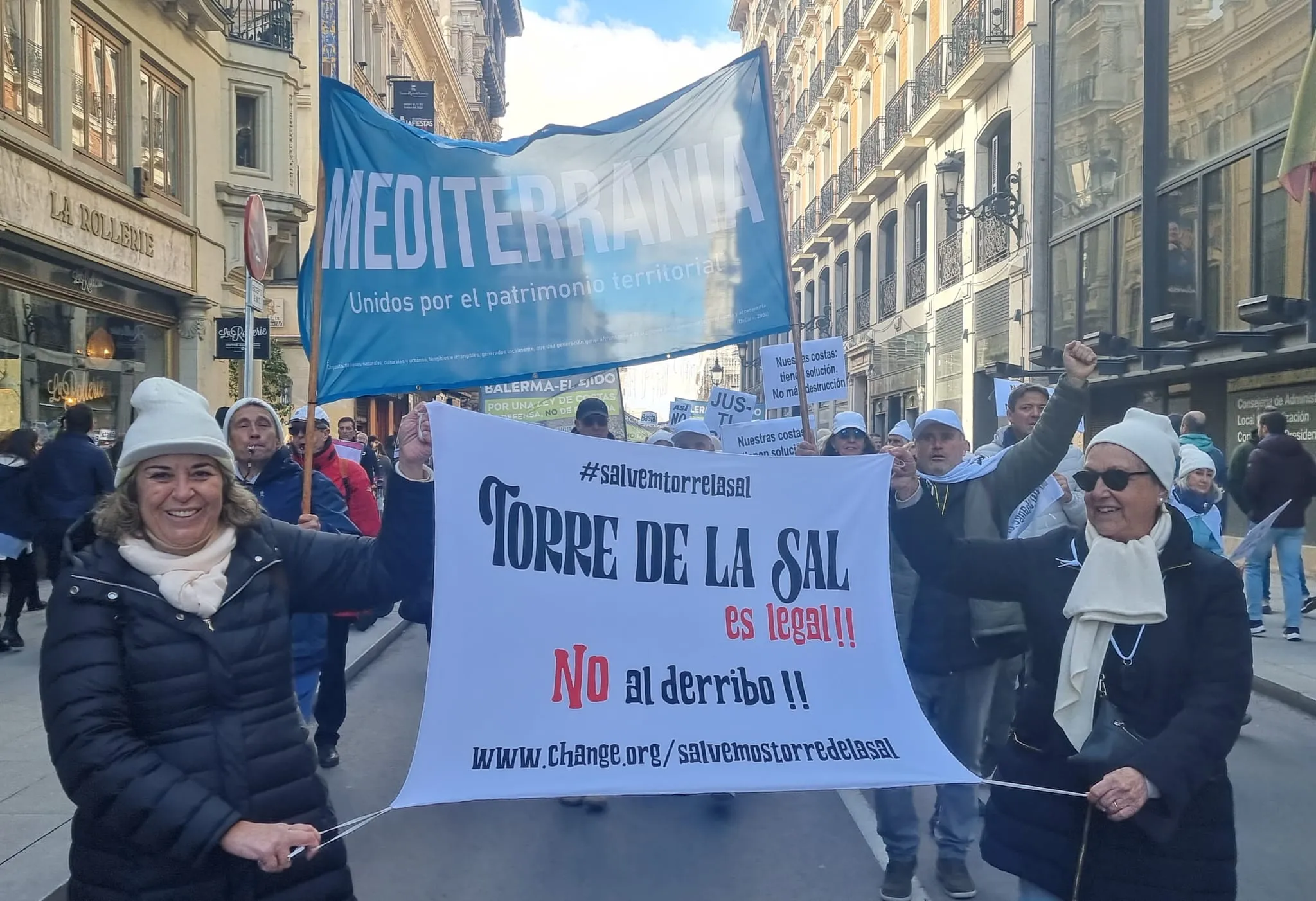
Mediterrania demonstration in Madrid: “Torre la Sal es legal, no al derribo”

Commitment to the community

Our association works tirelessly to ensure that the rights of all owners are respected and defended. We focus on keeping effective communication with the authorities to tackle the challenges our community faces.

DISCOVER OUR INITIATIVES
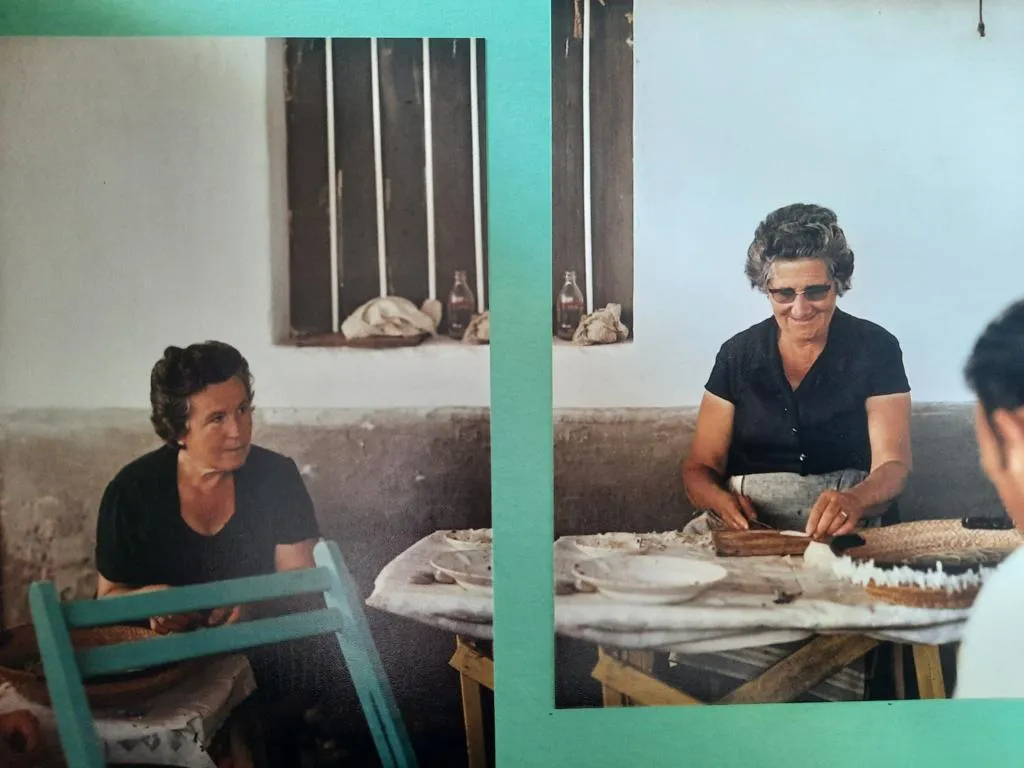
Heritage of the seaside village of Torre de la Sal, Cabanes, Castellón, Spain

Protecting our heritage

The seaside village of Torre la Sal has a rich history that deserves to be preserved. We strive to protect our buildings and traditions against the threats of coastal regression and repossession procedures.

LEARN ABOUT OUR HERITAGE
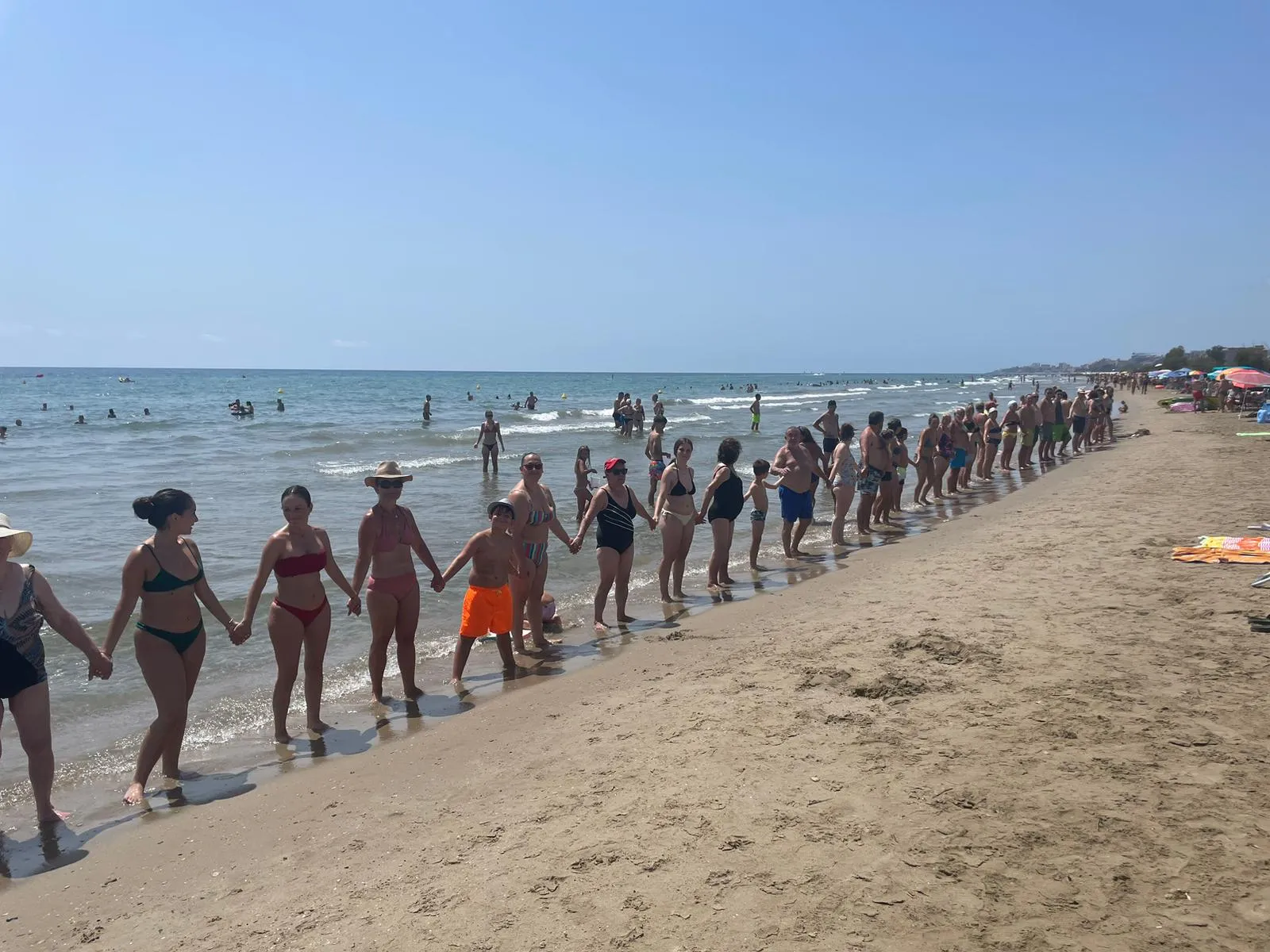
Demonstration against the Coastal Act that threatens to demolish our houses in Torre la Sal

Unity and solidarity

We foster a spirit of unity among neighbours, in a climate of solidarity and mutual support. Together we can face the challenges and build a stronger, more resilient community.

JOIN US

Latest news from the association

Stay informed about what is happening in the community.

The Government rules out demolishing the houses of Torre de la Sal: the news and a video comment Solidarity event on Saturday 5 April in Torre la Sal Classic car rally on 9 March through the streets of our seaside village
More articles

Follow us on social media

Check out our latest updates on Facebook, Instagram and X!

Frequently asked questions about the Ley de Costas and Torre la Sal

Clear answers about the Coastal Act and its effect on the seaside village

What does the Ley de Costas mean?

The Ley de Costas (Spanish Coastal Act) is Act 22/1988 of 28 July, which governs in Spain the delimitation, protection, use and policing of the maritime-terrestrial public domain and, in particular, of the seashore. It was amended by Act 2/2013 of 29 May on the protection and sustainable use of the coast. It establishes which coastal land belongs to the State public domain and which limitations and easements apply to adjoining land.

Who made the Ley de Costas?

Act 22/1988 of 28 July on the Coast was passed by the Cortes Generales (the Spanish parliament) and sanctioned by King Juan Carlos I. It was published in the BOE no. 181 of 29 July 1988. Act 2/2013 of 29 May amended it.

How many metres does the Ley de Costas cover?

The Ley de Costas sets strips measured inland from the inner limit of the seashore: the protection easement, 100 metres wide and extendable by a further 100 metres (article 23), and the right-of-way easement, 6 metres wide and extendable to 20 metres where passage is difficult or dangerous (article 27). On land already classified as urban when the Act came into force, the protection easement is 20 metres wide (third transitional provision, paragraph 3). Check the consolidated text in the BOE for each case.

How do I know whether my house is affected by the Ley de Costas?

You need to check whether the property lies within the maritime-terrestrial public domain, as fixed by the boundary survey (deslinde), or within its easement zones (protection, right of way and sea access). The Spanish Ministry for the Ecological Transition recommends consulting the Land Registry (Registro de la Propiedad) and the Provincial Coastal Service (Servicio Provincial de Costas), which provides information on the approved boundary; registering or transferring a property in these zones also requires an administrative certificate stating that it does not encroach on the public domain. It is advisable to consult a specialist lawyer before buying, renovating or transferring the property.

What is the Torre la Sal Residents’ Association?

The Asociación de Vecinos de Torre la Sal is a non-profit organisation dedicated to defending owners’ rights and preserving the cultural and natural heritage of our seaside village. We work to inform our neighbours about their rights and the challenges we face as a community.

Torre de la Sal Residents’ Association | Contact us

We are here to listen to your concerns and work together for our community. Your voice is essential to protect our rights.

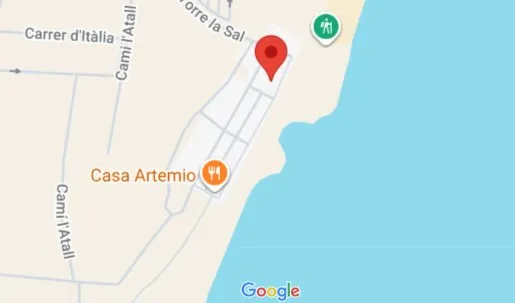
Map: Carrer de les Barques, 9, Torre de la Sal

Showing the map loads Google Maps.